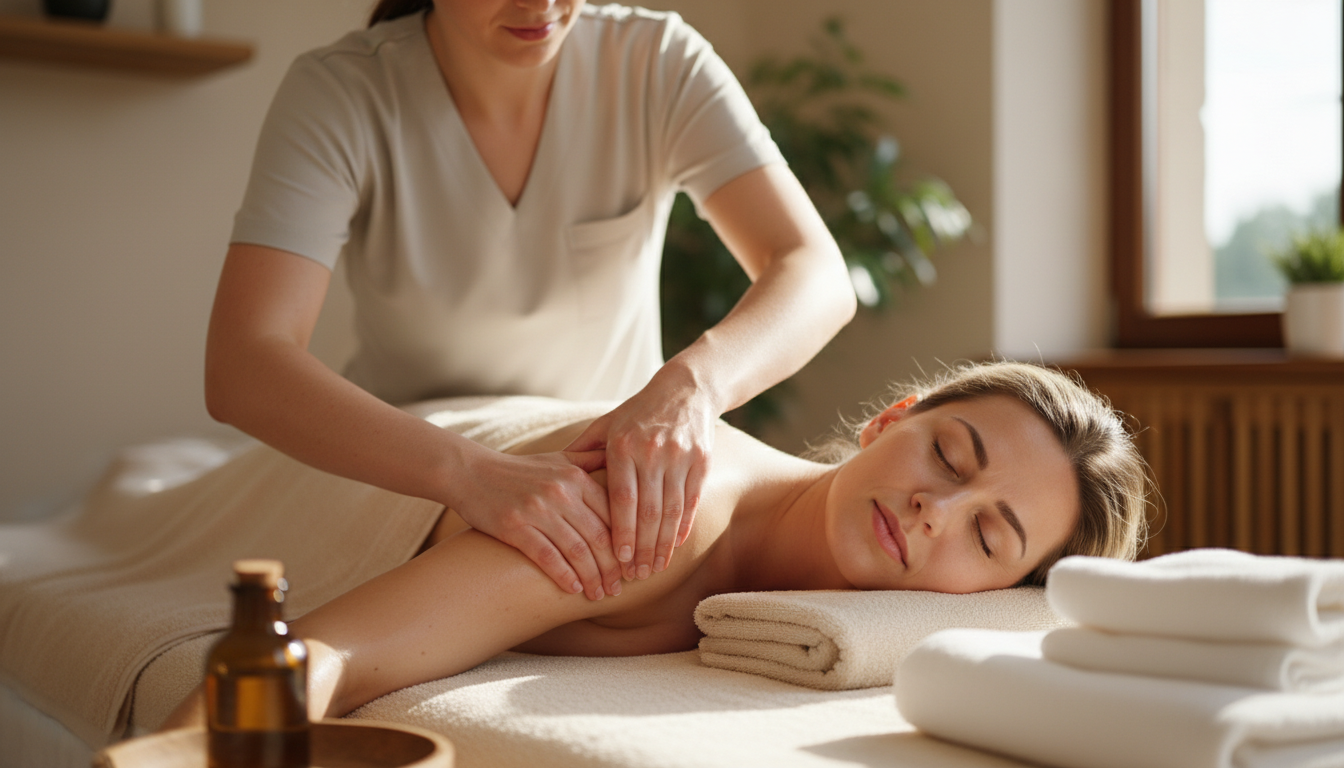
You catch your arm in the mirror at the wrong angle, and there it is: a faint dimpled texture along the underside that you hadn't really noticed before. You flex. You angle the arm. You tell yourself it's just the light. But the thought lingers, and soon you're searching for a quick fix — a firming cream, a new exercise, a device that promises visible results in weeks.
That search rarely ends where you'd hope. The look of cellulite on the upper arms doesn't change because of one dramatic intervention. It changes because of small, repeated actions done properly over time. At the center of those actions is a simple but often misunderstood practice: arm massage for cellulite. Not the hurried, random kneading you do while watching TV, but a deliberate sequence with a clear purpose. A simple checklist — not a magic formula — is the real starting point.
Why this checklist matters when you massage your arms
Cellulite on the arms is not a flaw to be fixed. It's a normal variation of how skin, connective tissue, and fat interact beneath the surface. The upper arm is a common place for it to appear, especially as the skin's natural elasticity shifts over time. But knowing that doesn't make it easier to ignore — you'd still like your arms to look smoother, and you'd like to do something about it yourself, without appointments or pricey treatments.
That's where the checklist comes in. When people talk about an anti-cellulite arm massage, they often imagine firm pressure and dramatic changes. The truth is more grounded. Visible results come from consistency and structure, not from how hard you squeeze. If you rub your arms for ten minutes with no plan — pressure uneven, direction random, the habit abandoned after three days — nothing changes.
A structured routine changes the equation. It gives you a repeatable sequence, so every session is as useful as the last. It keeps you honest about how often you actually do the work. And it offers a credible alternative to the endless cycle of creams and gadgets: a simple home practice you fully control.
One honest caveat before you start: no massage will permanently erase cellulite, and no upper arm cellulite treatment can honestly promise that. What massage can do is support the skin and the tissue beneath it — encouraging circulation, helping the skin look smoother and more even in tone, and keeping it supple. That's the purpose of this checklist: not a miracle, but a real, visible improvement you can maintain.
The preparation checklist before you touch your arms
Before the first stroke, set yourself up so the massage can actually do its job. Preparation is not a formality. It's what separates a useful session from a wasted one. Work through this short list before every session.
- Choose a quiet moment. Ten undisturbed minutes are enough. No phone, no half-finished to-do list. You need a stretch of time when you won't be interrupted or rushed.
- Bare the arm completely. Roll up the sleeve or switch to a top without tight bands. Fabric bunched at the shoulder gets in the way of smooth strokes and limits how far your hand can travel.
- Apply massage oil or a rich lotion for glide. Dry massage creates friction that pulls at the skin. The product doesn't need to promise anything about cellulite — any oil or cream that lets your hand move easily over the skin is enough.
- Sit so the arm rests completely relaxed. Rest your elbow on a table, a firm cushion, or your own knee. If the arm has to hold itself up, the muscles stay partly tense and the massage stays on the surface.
- Warm the product between your palms first. Cold oil on bare skin makes the arm tense briefly, which is the opposite of the relaxed state you're trying to create.
Go through these steps every time. Your upper arm massage routine is only as good as the conditions you set for it.
The main movements that make the massage worth doing
The direction of every movement matters more than people assume. Work from the elbow upward, toward the armpit, where the body's lymph nodes sit. Following this direction supports the arm's natural fluid balance and keeps the tissue from being pushed back and forth with no real purpose.
Work through these five movements, one arm at a time, and keep the pressure comfortable. You should feel the tissue being worked — never pain.
- Long warming strokes from elbow to shoulder. Drag your whole palm up the arm in one smooth movement. Alternate hands so the contact feels continuous. Repeat five to eight times, until the arm feels warmer and looser.
- Kneading the fleshy part. Gently grasp the soft tissue on the underside of the upper arm between your thumb and fingers. Squeeze and release in a slow, wave-like motion, working upward from elbow to armpit. Use moderate pressure — the way you'd work dough, not pinch skin.
- Gentle rolling. With your palm and fingers flat, push the tissue upward in a soft rolling motion along the same path. Keep it gentle; this movement can feel unfamiliar at first. Aim for a light, continuous roll, not a hard squeeze.
- Tapping with fingertips. Use the tips of all four fingers to tap lightly and quickly along the entire arm surface, from elbow to shoulder on the inner side and down the outer side. This wakes up the surface and adds a light finish to the deeper movements.
- Sweeping toward the armpit. Close the session with the same long strokes you started with, but slower and lighter. Move from the elbow toward the armpit, letting your hand soften as it finishes. This final movement settles the arm and reinforces the direction of the entire exercise.
When the first arm is done, repeat the sequence on the other. A full session takes about five minutes per arm. If you only have time for one arm, one arm done properly is still valuable — just give the other arm equal attention across the week.
Use the checklist as a weekly arm-care ritual
Once you know the movements, the next step is turning them into a habit. A single session, however well done, won't show much. The upper arm massage routine only starts to pay off when it's repeated regularly. Aim for two or three sessions a week — enough to give the tissue steady, gentle attention without making the routine feel like a burden.
Attach the sequence to a moment that already exists in your day. After a warm shower is ideal: the skin is soft, the muscles are relaxed, and the oil or lotion sinks in easily. Or pair it with your evening wind-down, when you can sit for five minutes without needing to be anywhere.
When you practice arm cellulite massage at home as a regular ritual, the changes become easier to notice. It's not about doing more — more pressure, more minutes, more products. It's about showing up consistently and letting the small efforts accumulate.
Light movement after the massage helps the arm settle. Raise both arms overhead, interlace your fingers, and reach gently toward the ceiling for a few slow breaths. Or roll your shoulders back a few times. This simple follow-through keeps the arms from falling back into a tense, hunched position.
The habits around the massage support the results. Drink water through the day, not because a single glass changes your skin, but because well-hydrated skin simply looks better. Moisturize your upper arms daily, especially the inner part, where the skin can become dry and crepey. And if your day involves a lot of sitting and typing, stand up now and then and give your arms a gentle shake.
None of this needs to feel like a wellness project. It's everyday care, done in small doses, in the same way you already brush your teeth or wash your face. That's what makes it sustainable.
When to stop and leave the massage to a professional
Most of the time, these movements are gentle enough to be safe on the arms. But massage deserves clear boundaries. When your body sends a signal, the right response is to stop — not to push through. Pay attention to these signs:
- Pain. Not the "this feels intense" sensation of a good stretch, but sharp or persistent pain. That means the pressure is too strong or the technique is off.
- Bruising. Bruises after a session mean the pressure was higher than your tissue could comfortably take. The massage should feel pleasant, not punishing.
- Irritated or inflamed skin. Never massage over a rash, a sunburn, an eczema flare-up, or any spot where the skin feels hot, swollen, or broken. Let it heal first.
- Uncertainty about a skin condition. If you're not sure whether massage is safe for your skin, or if you have a condition that affects how your skin reacts, check with a doctor or dermatologist before you continue.
If you'd like deeper work on the arms and your own hands can't quite manage it, a professional massage therapist is a reasonable option. They can adjust the pressure to your body and work through areas that are awkward to reach on yourself.
But you don't need to replace the at-home routine with professional sessions. The value of the home practice isn't in replicating what a therapist does. It's in the regular, gentle attention you give your arms week after week.
That dimpled skin you noticed in the mirror is not an emergency, and it's not a flaw that defines you. It's simply part of how your body looks right now. The checklist gives you a way to respond to it with care — a few minutes of preparation, five deliberate movements, and the quiet knowledge that gradual, consistent attention is the kind that actually shows.
