Understanding the Purpose of an Anti-Cellulite Massage Session
You have likely seen the before-and-after photos and wondered whether the results are realistic for you. The confusion is understandable: cellulite is a complex condition, and no single treatment eliminates it overnight. Before you step into a treatment room, it helps to know exactly what an anti-cellulite massage session is designed to accomplish at the physiological level.
Cellulite forms when fat cells beneath the skin push against connective tissue, creating the characteristic dimpled appearance. The primary goals of a targeted massage are threefold: improve lymphatic drainage to reduce fluid retention, increase blood circulation to support tissue metabolism, and mechanically soften the fibrous bands that tether the skin to underlying structures. Unlike a relaxation massage, the focus here is on mechanical action that stimulates the subcutaneous layers.
It is important to set realistic expectations. A single session can produce temporary improvements in skin texture and firmness, but lasting change requires a series of treatments combined with consistent aftercare. The massage works with your body’s natural systems—it does not replace them. Think of it as a catalyst that accelerates what your lymphatic and circulatory systems already do, not a magic wand that removes fat cells permanently.
An anti-cellulite massage session is a structured intervention, not a quick fix. Its effectiveness depends on understanding what it can and cannot achieve, and on committing to the full protocol.
Preparing Your Body and Mind for the Session
How you prepare directly influences how well your body responds to the treatment. The following cellulite massage preparation steps are simple but often overlooked, and they make a measurable difference in both comfort and outcome.
Hydration and Nutrition
Drink plenty of water in the 24 hours before your session. Well-hydrated tissue responds more readily to pressure and manipulation, and it helps the lymphatic system flush out mobilised waste afterward. Avoid heavy or greasy meals for at least two hours before the appointment—digesting a large meal diverts blood flow away from the skin and can make you feel sluggish during the massage.
Gentle Exfoliation
A light exfoliation the night before or the morning of your session removes dead skin cells and allows the therapist’s hands and tools to glide smoothly. Use a soft body brush or a gentle scrub; avoid anything aggressive that could leave the skin irritated or sensitive.
Mental Readiness
This type of massage is not a gentle stroke-and-relax experience. You will feel firm pressure, kneading, and possibly some discomfort, especially in areas where connective tissue is tight. Arrive with an open mind and a willingness to communicate. If you are tense or anxious, your muscles will resist the manipulation, which reduces the treatment’s effectiveness. Take a few deep breaths before the session begins, and remind yourself that the sensation is part of the process.
What to Wear and Bring
Loose, comfortable clothing that is easy to remove and put back on. If your therapist uses oils or creams, they may stain delicate fabrics. Some clinics provide disposable underwear, but if you prefer your own, bring a pair that you do not mind getting oil on. Also, bring a water bottle—you will need it after the session.
What Happens During the Massage
Knowing what to expect during the actual cellulite treatment protocol removes the uncertainty that can make people hesitant to book. Every therapist has a slightly different approach, but the core elements are consistent across effective sessions.
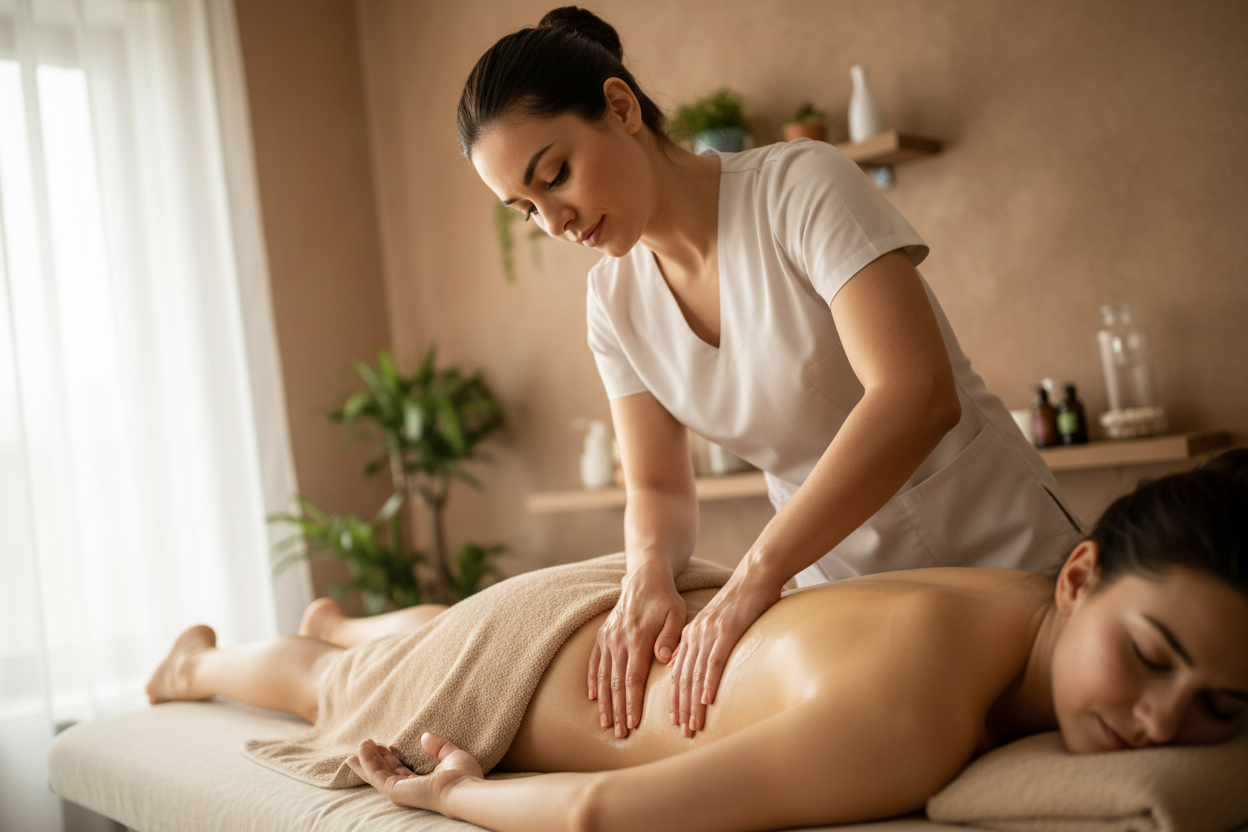
After a brief consultation and a visual assessment of the areas to be treated, you will lie down on a padded table. The therapist will apply a massage oil or cream to reduce friction and allow deeper work. The session typically lasts between 45 and 60 minutes, and the focus is usually on the thighs, buttocks, hips, and abdomen—the areas most prone to cellulite.
The therapist uses a combination of manual techniques and, in some cases, specialised tools. The table below outlines the main techniques you are likely to encounter.
| Technique | Primary Purpose | Sensation You May Feel |
|---|---|---|
| Kneading (petrissage) | Lifts and rolls the tissue to soften fibrous bands and improve circulation | Deep, firm pressure that can feel like a thorough muscle kneading |
| Rolling (skin rolling) | Separates the skin from the underlying fascia to reduce adhesions | A pulling or pinching sensation that may be intense at first |
| Cupping or suction | Creates negative pressure to lift tissue, stimulate blood flow, and drain lymph | A suctioning pull that feels like a strong vacuum; temporary circular marks may appear |
| Effleurage (stroking) | Warms the tissue and directs lymphatic fluid toward lymph nodes | Gentle, rhythmic strokes that are relaxing and soothing |
Pressure levels vary depending on the area and your tolerance. The therapist will check in with you repeatedly, but you should also speak up if something feels too sharp or painful. A productive session stays within a range of firm but tolerable pressure—discomfort is normal, but sharp pain is not.
Toward the end of the session, the therapist will use lighter, draining strokes to guide the mobilised fluids toward the lymph nodes. This transition from deep work to gentle finishing is a deliberate part of the protocol and signals that the treatment is complete.
Key Nuances That Influence Results
Two people can receive the same massage from the same therapist and end up with different outcomes. The difference often comes down to a handful of nuanced factors that are worth understanding before you commit to a series.
Session frequency matters. For visible and lasting improvement, most protocols recommend two sessions per week for the first four to six weeks, followed by a maintenance schedule of one session every two to four weeks. Spacing sessions too far apart prevents the cumulative effect that breaks down fibrous tissue and keeps the lymphatic system actively clearing.
Pressure tolerance is individual. Some people shy away from the intensity required to mobilise deep tissue, while others push through pain that could cause bruising and inflammation. The sweet spot is a level of pressure that feels challenging but not alarming. If you consistently leave sessions with excessive bruising that takes days to fade, the pressure may be too high for your tissue type. On the other hand, if you never feel any discomfort, the depth may be insufficient to reach the connective tissue.
Combining with other treatments can amplify results. Many people pair their massage sessions with radiofrequency, laser therapy, or topical treatments that target fat cells or collagen production. The key is to sequence them correctly—typically, massage is performed after other modalities to help drain the treated area. Always consult your practitioner before layering treatments.
Consistency is the single most important factor. A sporadic approach—one session every few weeks, with long gaps in between—will produce inconsistent results that fade quickly. The anti-cellulite massage session is a cycle: each treatment builds on the previous one, and the effects are cumulative only if you stay on schedule.
Post-Session Care for Optimal Results
What you do in the 24 to 48 hours after a session is just as important as the treatment itself. Proper massage aftercare ensures that the mobilised fluids are eliminated, the tissue recovers, and the work done during the session is not wasted.
Immediate Aftercare Steps
- Drink water. Aim for at least 500 ml within the first hour after the session, and continue to hydrate well throughout the day. The lymphatic system needs plenty of fluid to carry away the waste products that were released during the massage.
- Avoid hot baths, saunas, and steam rooms for at least 12 hours. Heat dilates blood vessels and can increase inflammation in the treated areas. A warm shower is fine, but keep it brief and avoid direct high-pressure water on the treated zones.
- Move gently. A short walk or light stretching helps the lymphatic system circulate. Avoid intense exercise—running, heavy lifting, or high-impact activity—for the rest of the day, as it can divert blood flow away from the recovery process.
- Monitor skin reactions. Some redness, warmth, or temporary marks from cupping are normal and usually fade within a few hours to a day. If you experience persistent swelling, sharp pain, or unusual discoloration, contact your practitioner.
What to Avoid
Do not apply any strong topical treatments—such as retinol, acids, or firming creams with heat agents—for at least 24 hours after the session. The skin is already stimulated, and adding active ingredients can cause irritation. Stick to a gentle, fragrance-free moisturiser if your skin feels dry.
Alcohol and caffeine can interfere with the lymphatic drainage process. Try to avoid both for at least 12 hours after the session. If you need a warm drink, opt for herbal tea.
Long-Term Maintenance and Lifestyle Integration
Even the most skilful massage series cannot outpace an unhealthy lifestyle. The results you achieve will last longest when you integrate supporting habits into your daily routine. This is not about drastic changes—it is about consistent, small actions that complement the cellulite treatment protocol.
Diet plays a supporting role. Foods that promote inflammation—refined sugar, excess salt, and processed carbohydrates—can counteract the anti-inflammatory effects of the massage. A diet rich in lean protein, healthy fats, leafy greens, and antioxidant-rich fruits supports tissue repair and keeps the lymphatic system functioning well. Consider adding foods that support circulation, such as citrus fruits, berries, and foods high in omega-3 fatty acids.
Movement is non-negotiable. Regular low-impact exercise—walking, swimming, cycling, or yoga—keeps the lymphatic system active and helps maintain the skin’s tone and elasticity. The massage mobilises the tissue, but your muscles and cardiovascular system sustain the improvement between sessions. Aim for at least 30 minutes of movement most days.
Self-care between sessions can extend the benefits. Dry brushing a few times a week, staying hydrated, and using a moisturiser that supports skin elasticity all contribute to the overall condition of your skin. Some people also find that foam rolling or gentle self-massage helps maintain the looseness of the tissue between professional treatments.
Consistency in the long term means accepting that maintenance is ongoing. Once you have reached your desired results, you will likely need one session every three to four weeks to preserve them. This is not a sign of failure—it is a realistic expectation for a treatment that works with your body’s natural processes rather than permanently altering them.
The most effective anti-cellulite massage session is not the one that feels the most intense—it is the one that is part of a well-planned, consistently followed protocol that includes preparation, aftercare, and lifestyle integration.
From the moment you decide to book your first session to the long-term maintenance that keeps your skin looking its best, every step matters. Preparation sets the stage, the massage does the work, aftercare protects the investment, and lifestyle habits ensure the results last. With this roadmap in hand, you can approach each session with confidence, knowing exactly what to do before, during, and after to achieve the visible, lasting results you are looking for.
