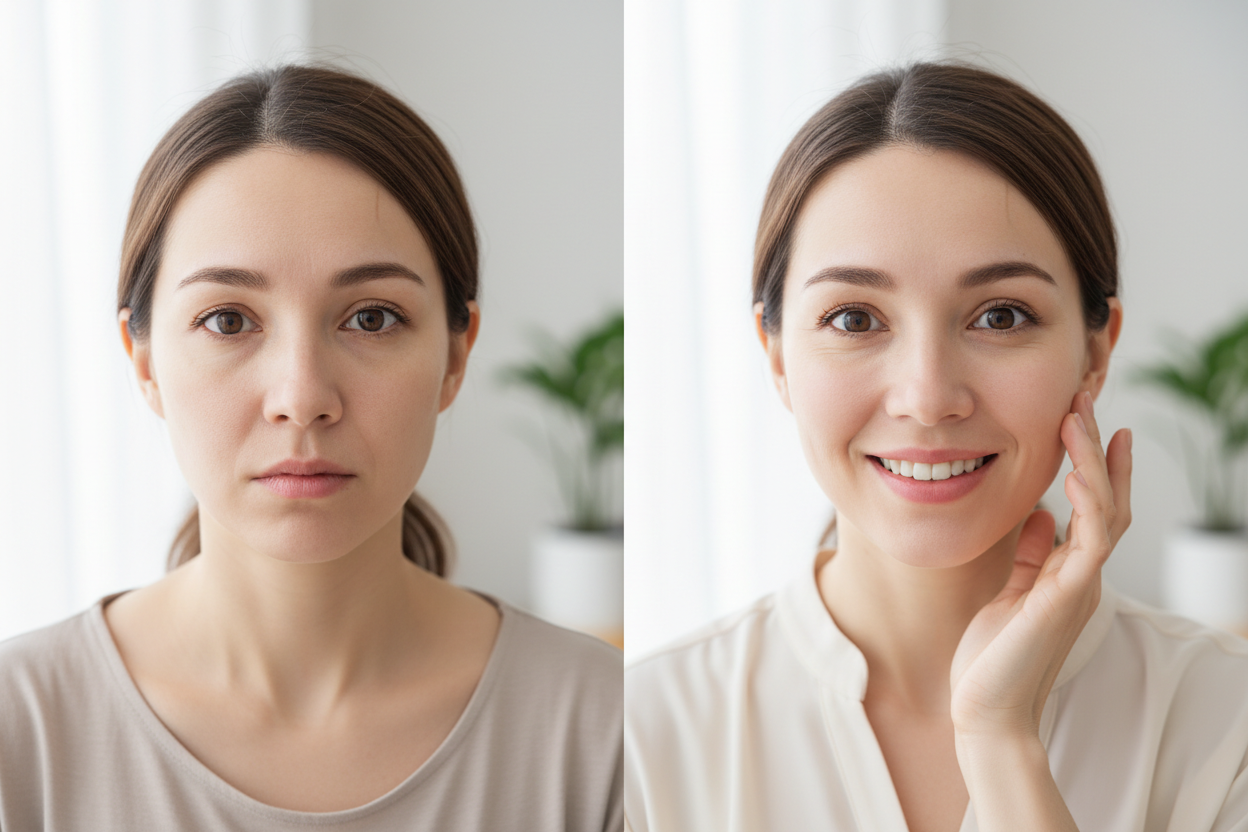
Who Should Try Enzyme Peeling Klapp?
I keep hearing that enzyme peels are gentler than acids, but do they actually work? Let's find out. If you’ve ever hesitated before applying a chemical exfoliant because your skin turns red, tight, or flaky, you’re exactly the person who should be looking at enzyme peeling Klapp. This type of exfoliation isn’t just a trend—it’s a genuinely different approach that works with your skin’s own biology rather than against it.
Enzymatic exfoliants, like the ones used in Klapp enzyme peeling, target dead skin cells by breaking down the proteins that hold them together. Unlike AHAs or BHAs, which rely on a low pH to dissolve the glue between cells, enzymes work at a near-neutral pH. That means they’re much less likely to sting or cause that “tight” feeling you get after a strong acid peel. So who benefits most?
- Sensitive or reactive skin – If you’ve tried glycolic acid and ended up with a blotchy face, enzyme peeling is your chance to exfoliate without the drama.
- Dry or dehydrated skin – Enzymes don’t strip moisture the way some acids can, so they’re a safer bet when your barrier is already compromised.
- Rosacea-prone skin – Many people with rosacea find that enzymes are the only exfoliants they can tolerate without triggering a flare-up.
- Skin that’s new to exfoliation – If you’ve never used a chemical exfoliant before, starting with a gentle enzymatic exfoliant like Klapp’s reduces the risk of irritation.
- Mature skin – As we age, cell turnover slows down. Enzymes can help reveal fresher skin without the harshness of stronger peels.
Of course, not everyone needs an enzyme peel. If you have thick, oily, or acne-prone skin that responds well to salicylic acid, you might not see as dramatic a difference. But for those who’ve been burned by harsh exfoliants in the past, Klapp enzyme peeling is a breath of fresh air.
What to Look for in an Enzyme Peeling Product
Not all enzyme peels are created equal. Before you grab the first tube you see, it helps to know what separates a good product from a gimmick. Here are the key criteria to consider when choosing an enzymatic exfoliant.
Enzyme Type and Source
Most enzyme peels use one of three enzymes: papain (from papaya), bromelain (from pineapple), or pumpkin enzyme. Papain is the most common and works well on normal to dry skin. Bromelain has a slightly stronger effect and is often used in combination with papain. Pumpkin enzyme is milder and rich in antioxidants, making it a good choice for sensitive skin. Klapp’s formula typically blends papain with other enzymes to balance efficacy and gentleness.
Concentration and pH
Enzymes are active between pH 5 and 8. If the product is too acidic (pH under 4), the enzymes may denature and lose potency. If it’s too alkaline, they might not work at all. A good product will list the pH range or at least indicate it’s “pH-balanced.” Don’t get hung up on exact percentages—enzyme concentration matters less than how the formula is stabilised. Look for a product that promises a fixed, active enzyme level without relying on harsh preservatives.
Additional Soothing Ingredients
Since the goal of an enzyme peel is gentle exfoliation, the best formulas include calming extras like aloe vera, panthenol, allantoin, or green tea extract. These ingredients help reduce any potential irritation and support the skin barrier. Klapp’s product often includes soothing botanicals, which is a sign the brand understands that enzyme peels are meant for delicate skin.
Brand Reputation and Transparency
Enzyme peeling is a niche category, so you want a brand that specialises in professional skincare. Klapp skincare has been around for decades and is known for its focus on sensitive skin and salon-quality formulations. That kind of track record matters—especially when you’re paying a premium for a product that promises to be gentle.
| Criterion | What to Look For | Red Flags |
|---|---|---|
| Enzyme type | Papain, bromelain, or pumpkin enzyme | Unlisted or vague “enzyme complex” |
| pH range | pH 5–8 (near-neutral) | pH below 4 or above 8 |
| Soothing ingredients | Aloe, panthenol, allantoin | Alcohol, fragrance high on list |
| Brand reputation | Specialist in gentle or professional skincare | No info on formulation expertise |
What Makes Klapp Enzyme Peeling Stand Out
There are plenty of enzyme peels on the market, but enzyme peeling Klapp has a few features that set it apart. Let’s break down what makes it a smart choice for those who value both gentleness and results.
Formulation tailored for sensitive skin – Klapp’s enzyme peel uses a blend of papain and bromelain, but it’s not just about the enzymes. The base is a light, creamy texture that doesn’t drip or run, making it easy to apply evenly. It also contains ingredients like bisabolol and chamomile to calm the skin during the exfoliation process. This is a big plus if you’ve ever had a peel that left you red for hours.
Professional-grade but user-friendly – Klapp started as a brand for beauty professionals, so their products are formulated to be effective yet safe for regular use. The enzyme peel comes with clear instructions on how long to leave it on (usually 5–10 minutes) and how often to use it (1–2 times a week for most skin types). That kind of practical guidance is missing from many consumer enzyme peels, which often just say “leave on for 10–15 minutes” without considering your skin type.
Compatibility with other treatments – Because Klapp enzyme peeling works at a gentle pH, it doesn’t clash with your regular skincare routine. You can use it alongside vitamin C, hyaluronic acid, and even retinol on off days (just not on the same night). That’s rare—most enzyme peels are still sensitive to conflicting ingredients, but Klapp’s formula is designed to play well with others.
“The real beauty of an enzyme peel is that it respects your skin’s barrier while still doing its job. Klapp’s version nails that balance better than most.”
Compared to drugstore enzyme peels, Klapp’s product feels more like a treatment than a quick fix. It’s not the cheapest option, but you’re paying for a carefully engineered formula that’s been tested on tried-and-true professional skin concerns.
How to Incorporate It Into Your Routine
Using Klapp enzyme peeling correctly is the key to getting the glowing, smooth skin you’re after without messing up your barrier. Here’s a step-by-step guide that fits into most evening routines.
- Start with a clean, dry face. Remove all makeup and wash with a gentle cleanser. Pat your skin dry—enzymes work best on slightly damp skin, but not soaking wet.
- Apply a thin, even layer. Squeeze a pea-sized amount and spread it over your face, avoiding the eye area and lips. If you have a very dry or sensitive neck, you can skip that area.
- Leave it on for 5–10 minutes. Check the product’s instructions, but for most Klapp enzyme peels, 5 minutes is enough for normal skin, 10 minutes for thicker or oilier skin. You might feel a slight tingling, but it shouldn’t sting.
- Rinse with lukewarm water. Use your fingertips to gently massage the peel off in circular motions. This adds a mild physical exfoliation that boosts the enzyme effect.
- Follow with a hydrating toner and moisturiser. Because enzyme peels lightly exfoliate, your skin will absorb subsequent products better. Avoid using any strong actives (like retinol or acids) on the same night.
How often? For most people, once a week is enough. If you have very resilient skin, you can go up to twice a week, but never more. Over-exfoliating with enzymes is still possible—you’ll notice your skin feeling tight or looking “waxy” if you overdo it.
Results usually appear after the second or third use: a smoother texture, less visible flakiness, and a more even tone. If you have clogged pores, you might see a gradual reduction in their appearance, but enzyme peels are not as effective as salicylic acid for deep blackheads. They’re better for surface-level smoothness and radiance.
Common Mistakes When Choosing an Enzyme Peeling
Even with a great product like Klapp enzyme peeling, you can still make mistakes that sabotage your results. Here are the most common pitfalls to avoid.
Mistake #1: Over-exfoliating. Just because an enzyme peel is gentle doesn’t mean you can use it every day. Enzymes are still exfoliants, and overuse can damage your skin barrier. Stick to 1–2 times per week, and listen to your skin. If it feels tight or looks shiny in an unnatural way, give it a break.
Mistake #2: Ignoring your skin type. Enzyme peels are great for sensitive and dry skin, but if you have very oily, acne-prone skin, you might need a stronger exfoliant. Enzymes are better at smoothing surface texture than clearing deep pores. If you have cystic acne, an enzyme peel alone won’t cut it.
Mistake #3: Expecting instant results. An enzymatic exfoliant works gradually. You won’t see a dramatic difference after one use. It takes a few weeks of consistent use for the full effect. If you’re looking for a quick fix, a glycolic acid peel might be more your speed, but it comes with a higher risk of irritation.
Mistake #4: Using it with incompatible ingredients. Avoid layering strong acids (like AHAs or BHAs) on the same night as your enzyme peel. The combination can overwhelm your skin. Also, don’t use a retinol on the same night—separate them by at least 24 hours. And never use an enzyme peel on broken or irritated skin.
Mistake #5: Choosing a product with too many additives. Some enzyme peels are packed with fragrances, essential oils, or alcohol. These can irritate the very skin you’re trying to treat. Stick to brands like Klapp skincare that keep the formula clean and focused on the active ingredients.
Is Klapp Enzyme Peeling Worth the Investment?
Let’s be honest: Klapp enzyme peeling is not the cheapest enzyme peel on the shelf. You can find drugstore options for a fraction of the price. But when you’re paying for a product like this, you’re investing in peace of mind, a proven formula, and a brand that understands the nuances of gentle exfoliation.
Here’s the short version: if you have sensitive, dry, or reactive skin, and you’ve struggled to find an exfoliant that doesn’t cause redness or peeling, Klapp’s enzyme peel is a solid bet. It’s also a good choice if you’re new to exfoliation and want to start with something that’s unlikely to cause problems. On the other hand, if you have oily, hardy skin that’s used to strong acids, you might not see enough “oomph” from this product to justify the price.
Think of it this way: a gentle exfoliation routine that you can actually stick with is better than a harsh one that you end up skipping because it hurts. Klapp enzyme peeling makes that easy. It’s a product that does exactly what it promises—no more, no less—and that’s a mark of quality in a world of overhyped skincare.
If you’re ready to trade irritation for a subtle, healthy glow, this is a worthwhile addition to your shelf. Start slowly, respect your skin’s limits, and you’ll likely wonder why you ever put up with those burning acid peels in the first place.
